

Your Custom Text Here
Semi-detached (2006) explores the humble but iconic architecture of the suburban semi-detached home, with its neat front garden, the bay fronted windows and red tiled roof. I grew up in a pebbled-dashed semi in leafy Middlesex. The semi-detached house seems to be a symbol of suburbia and all that might represent. The sprawl of suburbia boomed in the British interwar period, housing was built up in the countryside surrounding the towns and cities. In London, suburbia grew out to the Northwest along the route of the Metropolitan Railway. My family settled in sleepy Eastcote in the heart of John Betjeman’s Metroland. Whilst unfashionable now as other areas of London have become more ‘desirable’ for 21st century living, the suburban areas remain like a warm and comfortable timewarp, with streets, houses and gardens still in their early twentieth century layout, including internal and external appearances.
As a child, the uncanny feeling experienced whilst in next door’s house remains: it was a mirror image of our own home and the décor was different but it felt strangely familiar.
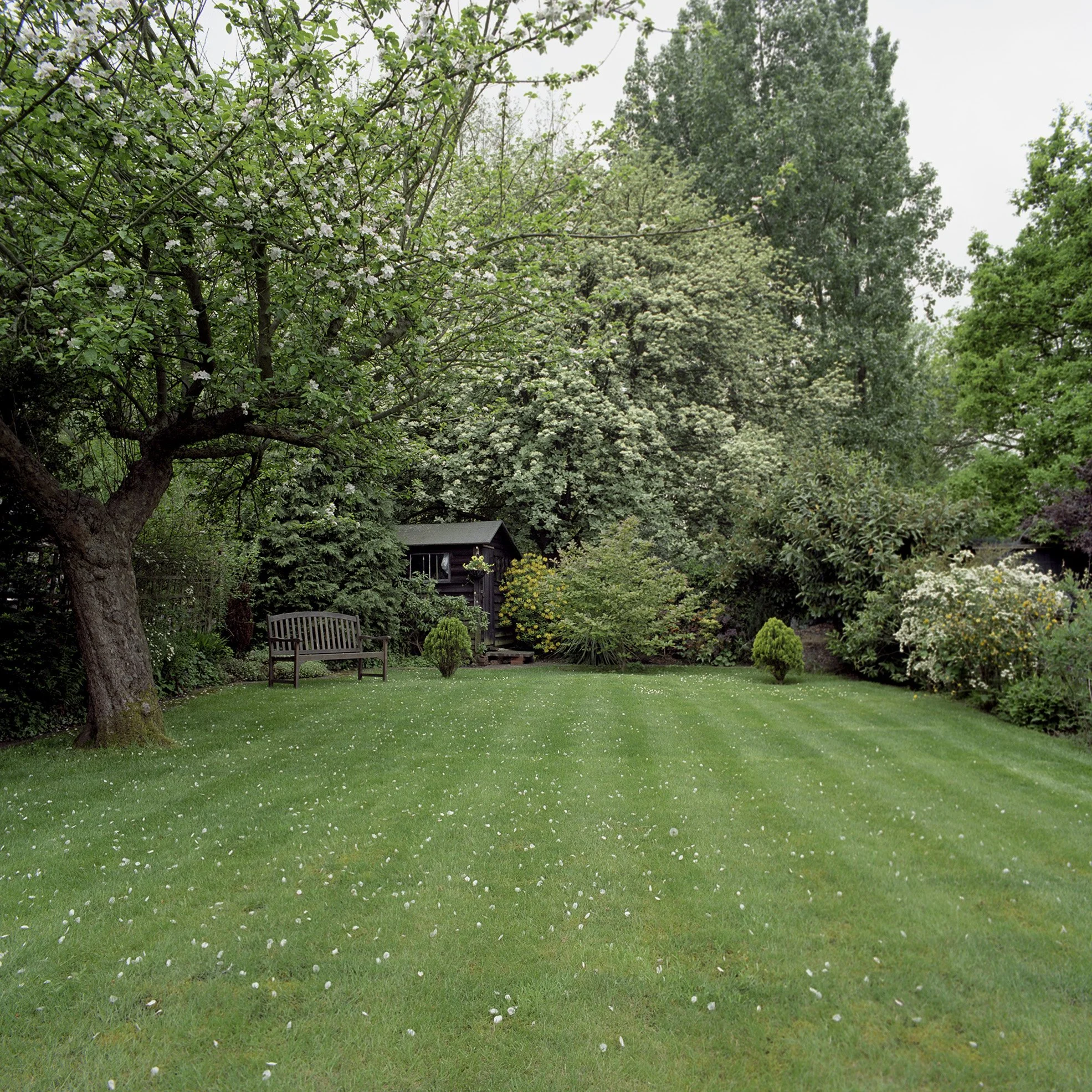
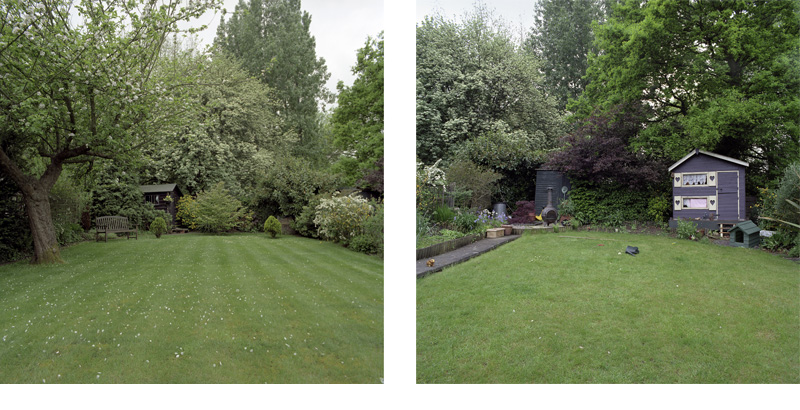
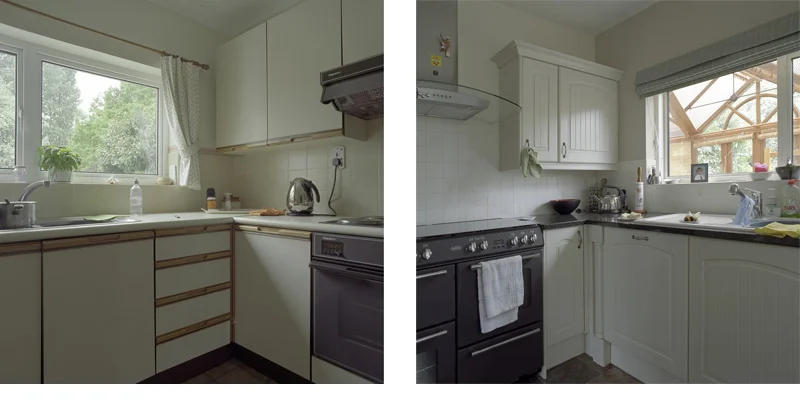
Semi-detached is presented as an artist’s book. The images show the architectural symmetry of the two halves, whilst revealing subtle differences in the tastes of the owners of each side. The inhabitants are absent in these pictures; their identity suggested by the private interiors of their homes.
Semi-detached (2006) explores the humble but iconic architecture of the suburban semi-detached home, with its neat front garden, the bay fronted windows and red tiled roof. I grew up in a pebbled-dashed semi in leafy Middlesex. The semi-detached house seems to be a symbol of suburbia and all that might represent. The sprawl of suburbia boomed in the British interwar period, housing was built up in the countryside surrounding the towns and cities. In London, suburbia grew out to the Northwest along the route of the Metropolitan Railway. My family settled in sleepy Eastcote in the heart of John Betjeman’s Metroland. Whilst unfashionable now as other areas of London have become more ‘desirable’ for 21st century living, the suburban areas remain like a warm and comfortable timewarp, with streets, houses and gardens still in their early twentieth century layout, including internal and external appearances.
As a child, the uncanny feeling experienced whilst in next door’s house remains: it was a mirror image of our own home and the décor was different but it felt strangely familiar.
Semi-detached is presented as an artist’s book. The images show the architectural symmetry of the two halves, whilst revealing subtle differences in the tastes of the owners of each side. The inhabitants are absent in these pictures; their identity suggested by the private interiors of their homes.
All images © Carolyn Lefley